
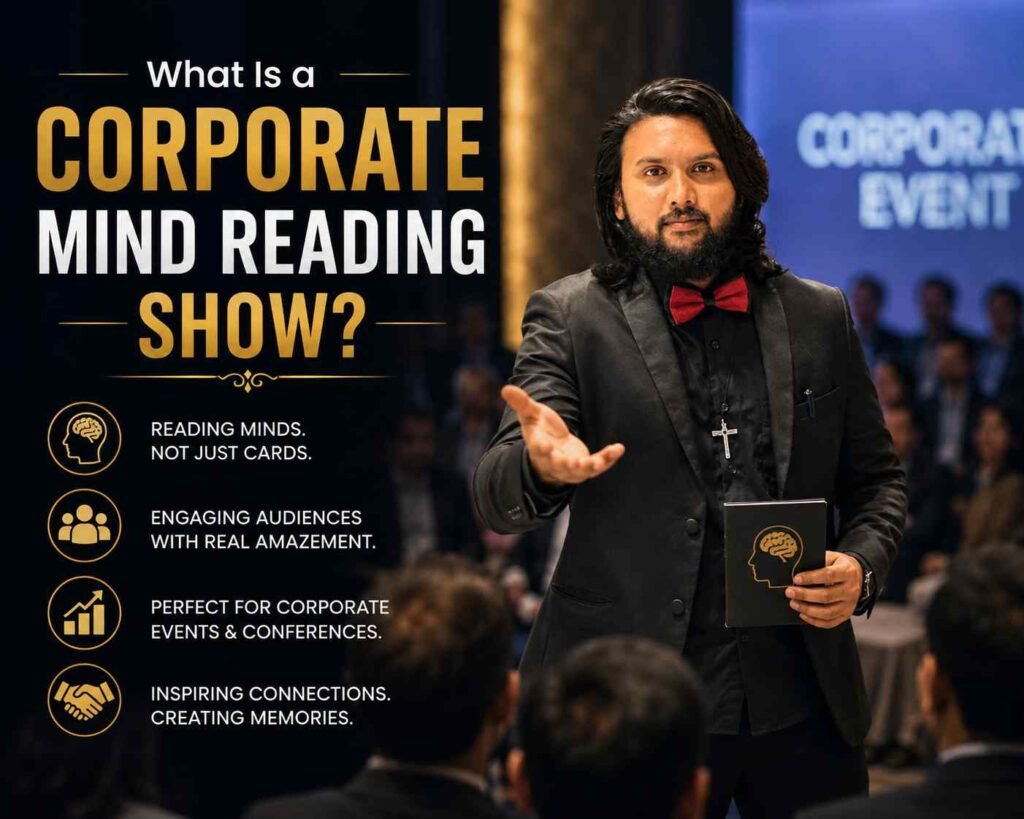
A corporate mind reading show sits in a strange spot for most first-time bookers. It is not quite a magic show, not quite a comedy act, and the phrase mind reading itself sounds more like a party trick than something worth building an entire corporate event around. Once you actually see one performed, that reaction changes fast.
I have built a large part of my career around this exact format, running mentalism and mind reading shows for companies across Bengaluru’s corporate circuit. This guide explains what a mind reading show genuinely involves, why it works so well for skeptical, professional audiences, and how to plan one for your own event.
What a Mind Reading Show Actually Involves
A mind reading show, more formally called mentalism, uses sophisticated psychological techniques that appear to read thoughts, influence decisions, and predict outcomes before they happen. It is not the same as stage magic in the traditional sense, objects vanishing or transforming, but rather a performance built entirely around the audience’s own thinking and choices.
A typical segment might involve a volunteer thinking of a word, a number, or a memory, which then gets correctly revealed by the performer, or a decision that appears to have been subtly influenced earlier in the show without the volunteer realising it. The effect depends on genuine, careful audience interaction rather than props or stage mechanics, which is exactly why it works so differently from a standard magic act.
Why This Format Works So Well for Corporate Audiences
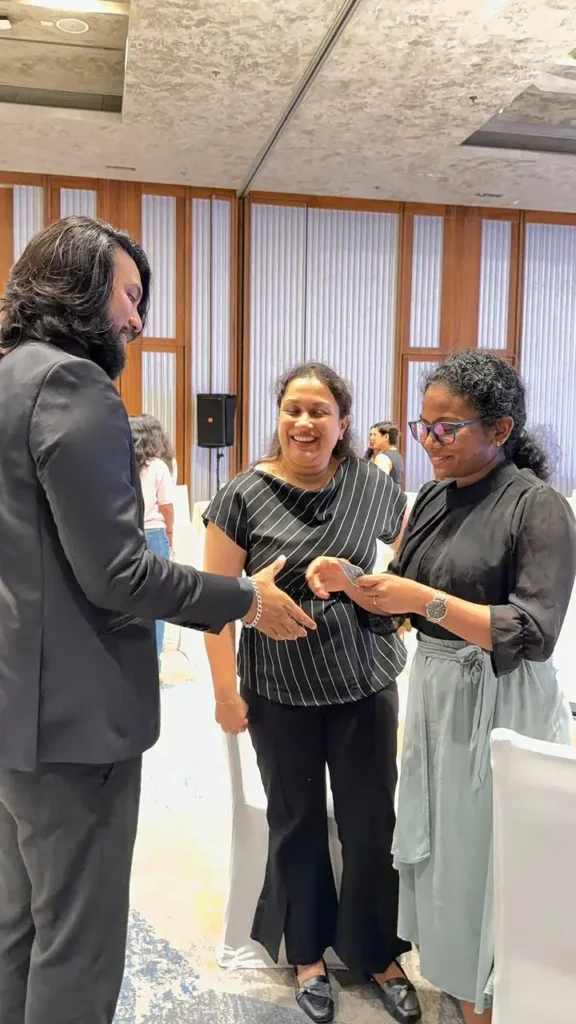
Corporate audiences, especially in a city like Bengaluru with its concentration of engineers, analysts, and consultants, tend to be genuinely skeptical. A standard magic trick can sometimes feel like something a skeptical audience mentally dismisses as a clever prop or a rehearsed setup. Mentalism sidesteps this because the entire effect happens inside the volunteer’s own mind, there is no object to suspect and no obvious mechanism to look for.
This is why mind reading consistently outperforms other entertainment formats for professional, analytical rooms. It invites disbelief and then dismantles it live, in front of colleagues who know each other well enough to confirm that the reveal was genuinely accurate. That social proof, a colleague verifying the effect was real, is what makes the format spread through office conversation for weeks after the event.
Where a Mind Reading Show Fits on a Corporate Calendar
Here is where I see this format used most effectively.
- As the Centrepiece of an Employee Engagement Session
A dedicated mind reading show works especially well as a standalone engagement activity, since the format itself is novel enough that most corporate audiences have never experienced anything like it built specifically for a professional room.
- Woven Into an Annual Day or Award Ceremony
Placed right after a long formalities segment, a mind reading show re-energises a tired room fast, since the interactive, unpredictable nature of the format contrasts sharply with the structured pace of an awards segment.
- During Leadership Retreats and Executive Events
Sophisticated psychological illusions that appear to read thoughts and predict outcomes suit audiences who specifically enjoy smart, thought-provoking entertainment, which makes the format a natural fit for smaller, senior-level gatherings.
- As a Branded Prediction Moment
Mentalism can be built around a company’s own milestones or goals, revealing a predicted outcome tied to a real business result, which turns the format into a genuine communication tool rather than pure entertainment.
- As a Virtual Segment for Remote Teams
Mind reading translates unusually well to video calls, since the format depends on psychological interaction rather than physical scale, making it one of the strongest options for distributed or hybrid corporate audiences.
Why This Format Keeps Getting Rebooked
Across my own bookings, mind reading consistently ranks among the most requested repeat formats, companies that book it once for an engagement session frequently ask for it again for the following year’s annual day or a different team’s event entirely. This pattern reflects something genuine about the format: it does not wear out the way more familiar entertainment formats can, since each performance adapts to a new, specific audience rather than repeating the same fixed routine.
For planners looking for a format with real staying power on a recurring corporate calendar, this repeatability is worth weighing seriously against formats that, however enjoyable once, tend to feel repetitive the second or third time a team experiences them.
Building Trust With a Skeptical Audience
A genuinely skeptical audience, exactly the kind found across Bangalore’s professional and technical workforce, presents a specific challenge that a mind reading show is uniquely built to handle. Rather than avoiding skepticism, a skilled mentalist actually invites it early in the show, openly acknowledging that the audience is looking for the trick, which paradoxically builds more trust and engagement than pretending the skepticism does not exist.
This approach works because it respects the audience’s intelligence rather than talking past it. By the time the show’s strongest reveal happens, the audience has already tried and failed to identify a mechanism, which makes the final effect land considerably harder than it would with an audience that was never given the chance to look for a trick in the first place.
The History Behind Modern Mentalism
Mentalism as a distinct performance discipline traces back over a century, evolving alongside stage magic but developing its own specific techniques centred on psychology, suggestion, and careful observation rather than sleight of hand or mechanical props. Historically, mentalism was often framed around demonstrating apparent psychic or telepathic ability, a framing that has largely shifted in modern performance toward openly presenting the format as skilled psychological entertainment rather than claiming genuine supernatural power.
This modern, transparent framing is actually part of what makes mentalism land so well with today’s corporate audiences. Rather than asking a skeptical, professional audience to accept a supernatural claim, a good mentalist presents the show honestly as a demonstration of psychological skill and technique, which invites genuine curiosity and engagement rather than dismissive skepticism. Audiences leave impressed by what a trained performer can do with careful observation and psychology, not asked to suspend disbelief about anything paranormal.
What Volunteers Actually Experience During a Mind Reading Show
First-time volunteers are often the most nervous part of the audience, and understanding what actually happens helps set the right expectation. A typical mentalism interaction asks a volunteer to make a genuine, unprompted choice, a word, a number, a memory, without any pressure to perform or act a certain way. The reveal depends entirely on the performer’s technique, not on the volunteer doing anything special or difficult.
This matters for planners deciding whether to include volunteer segments in a corporate show. Because the format asks so little of the volunteer beyond an honest, spontaneous choice, it works comfortably even for audiences who might otherwise be nervous about being pulled into a stage performance, unlike formats that require volunteers to perform a task or follow complex instructions in front of colleagues.
How a Mind Reading Show Is Actually Built
A standard magic show typically centres on visual illusion, cards, objects, and staged effects that create a sense of wonder through what the eye sees. A mind reading show centres on psychology, creating that same sense of wonder through what the mind reveals. Many corporate bookings, including the shows I run, blend both formats into a single performance, opening with visual magic to build energy and moving into mentalism for the segment that gets people talking afterward.
For companies unsure which to book, the honest answer is that it depends on your audience. A younger, informal team often responds well to a high-energy blend of both. A senior, executive-heavy audience often prefers the more restrained, thought-provoking pace of pure mentalism.
Booking a Mind Reading Show for Your Event
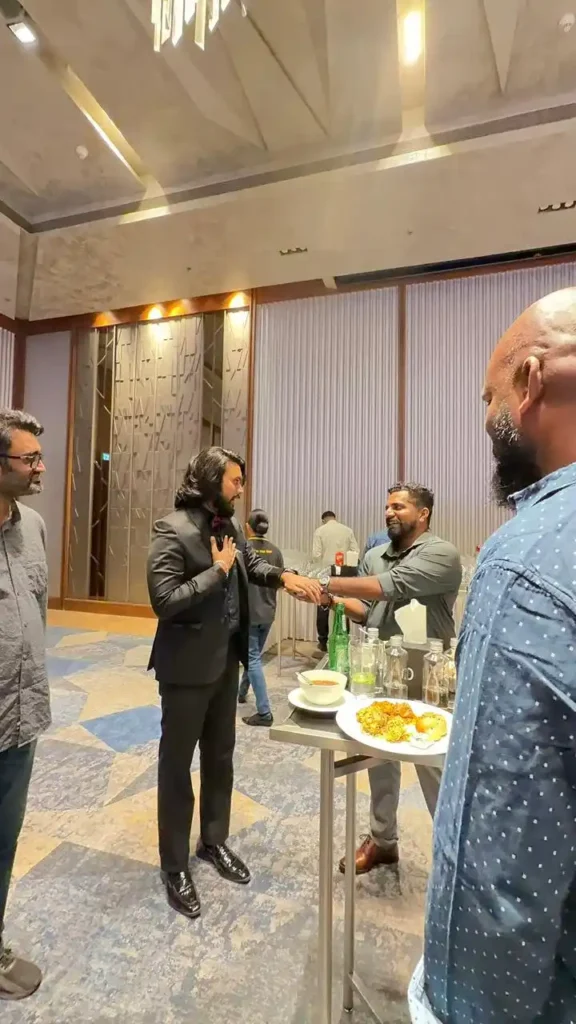
I have run mentalism and mind reading shows for corporate clients including EY, Microsoft, and Google, and this remains one of the formats I get rebooked for most consistently across Bengaluru’s corporate calendar. Every show is built around your specific audience size and room, with clean, corporate-safe content suitable for mixed-seniority rooms including leadership and clients.
Reach out at +91 8971108123 or contact@illusionisttyson.com with your event date and audience size, and I will help you plan the right format for the room.
You can also follow our Magician on Instagram to watch amazing magic show videos, audience reactions, and live event highlights.
For corporate collaborations and professional updates, you can connect with our magician on LinkedIn and stay updated with upcoming events and performances.
Frequently Asked Questions
1. Is mind reading real, or is it a trick?
A mind reading show uses genuine psychological techniques and performance skill rather than any actual supernatural ability. The effects are real in the sense that they genuinely happen live, but they rely on skill, not paranormal power.
2. How much does a corporate mind reading show cost near me?
Pricing depends on show length and audience size. Message +91 8971108123 with your details and I will send a clear quote.
3. Is a mind reading show appropriate for a formal corporate audience?
Yes. Every show is built around clean, corporate-safe content designed specifically to work in front of mixed audiences including senior leadership and clients.
4. How long does a typical mind reading segment run?
Most corporate mentalism segments run 20 to 45 minutes depending on whether it is a standalone activity or part of a larger event program.
5. Can a mind reading show be performed virtually for a remote team?
Yes. Mentalism translates well to video calls since it relies on psychological interaction rather than physical stage presence, making it one of the strongest formats for remote or hybrid teams.
Book This Show
Illusionist Tyson | 23rd Cross Rd, Sir M V Nagar, Ramamurthy Nagar, Bengaluru, Karnataka 560016
Call: +91 8971108123 | Email: contact@illusionisttyson.com | Web: illusionisttyson.com